In the age of streaming and digital fandom, watching TV and movies isn’t just watching anymore. It’s theorizing, breaking down scenes, interpreting color palettes, and writing long threads about symbolism. And while media analysis has become a thriving part of online culture, it has also created a strange kind of pressure, the need for every show or movie to mean something bigger.
There was a time when superhero and fantasy shows were just that, shows. They were made to entertain, to excite and to give us a break from reality. But in recent years, the way we consume TV and film has shifted dramatically. Series and movies like
Sinners,
Superman,
Fantastic Four,
Gen V,
The Umbrella Academy etc are now launched into a whirlwind of intellectual discourse before the opening credits have even finished.
While fans eagerly anticipate new additions in the superhero Universe, it serves as an interesting backdrop to examine a growing cultural phenomenon:
the intellectualization of superhero and fantasy content and entertainment.
The Rise of Intellectualization in Entertainment
Remember when we simply enjoyed superhero stories for their escapism and adventure?
When did casual conversations about comic book adaptations transform into doctoral thesis-level dissections of symbolism, socio-political commentary, and narrative deconstruction?
The trajectory is clear: what began as straightforward entertainment designed primarily to excite and inspire has evolved into material for exhaustive analysis. There is a proliferation of online forums, YouTube channels, and social media accounts dedicated to dissecting every frame, every dialogue, and character motivation to the new adaptations of superhero media. Viewers no longer just watch; they analyze, theorize, and critique with the rigor of academic scholars. Platforms like YouTube and TikTok have birthed a generation of content creators who specialize in media analysis. Shows like
Severance,
The Last of Us, or
Dark have thrived in this space, often requiring audiences to pay close attention, think critically, and even take notes.
This level of engagement is impressive and can be incredibly rewarding. But when the same intellectual lens is applied to every superhero or fantasy show, even those not aiming for that depth, we risk missing the point. A show like
Ironheart isn’t trying to be
Watchmen or
Severance. It’s a show designed to celebrate youthful intelligence, representation, and yes, cool suits and action scenes.
From
The Boys to
Invincible, superhero content across platforms undergoes similar scrutiny. When the same intellectual and academic lens is applied to every superhero or fantasy show, even those not aiming for that depth, we risk missing the point. Not every show is built for this kind of viewing, and when audiences bring this same analytical lens to every superhero or fantasy project, it creates unrealistic expectations. If a series isn’t deeply symbolic or revolutionary, people label it as “mid” or “lazy,” when in reality it might just be entertainment.
Superhero stories, in particular, are often
meant to be escapist fun. That doesn’t make them less valid. It just means they serve a different purpose. Marvel’s
Ironheart is a prime example.
When Analysis Enhances Enjoyment
To be fair, thoughtful analysis can enrich our experience. When
Black Panther explored themes of isolationism versus global responsibility, or when
WandaVision delved into grief and trauma, these intellectual angles added meaningful layers to the entertainment. Superheroes and fantasy stories have always danced between spectacle and symbolism.
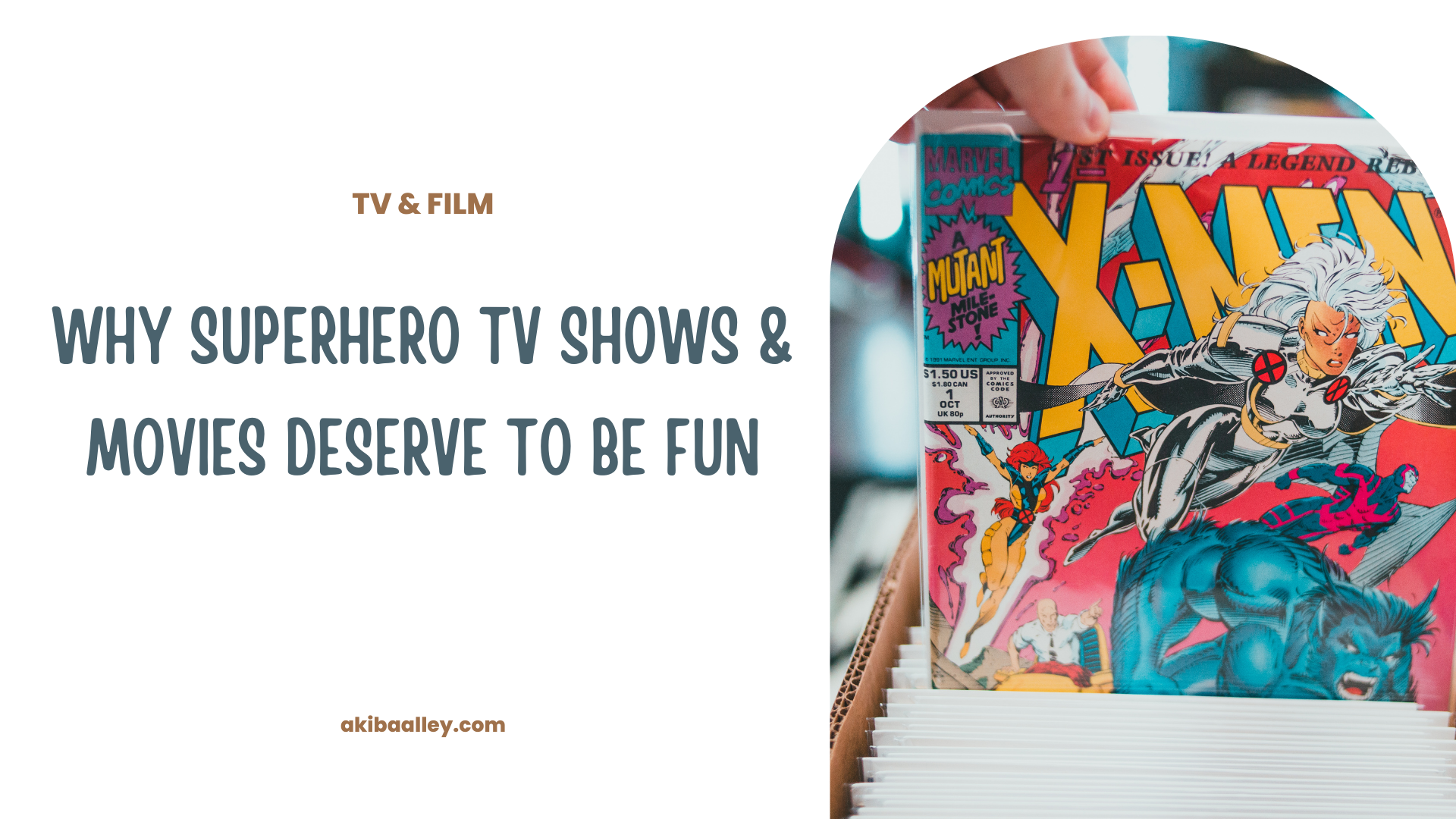
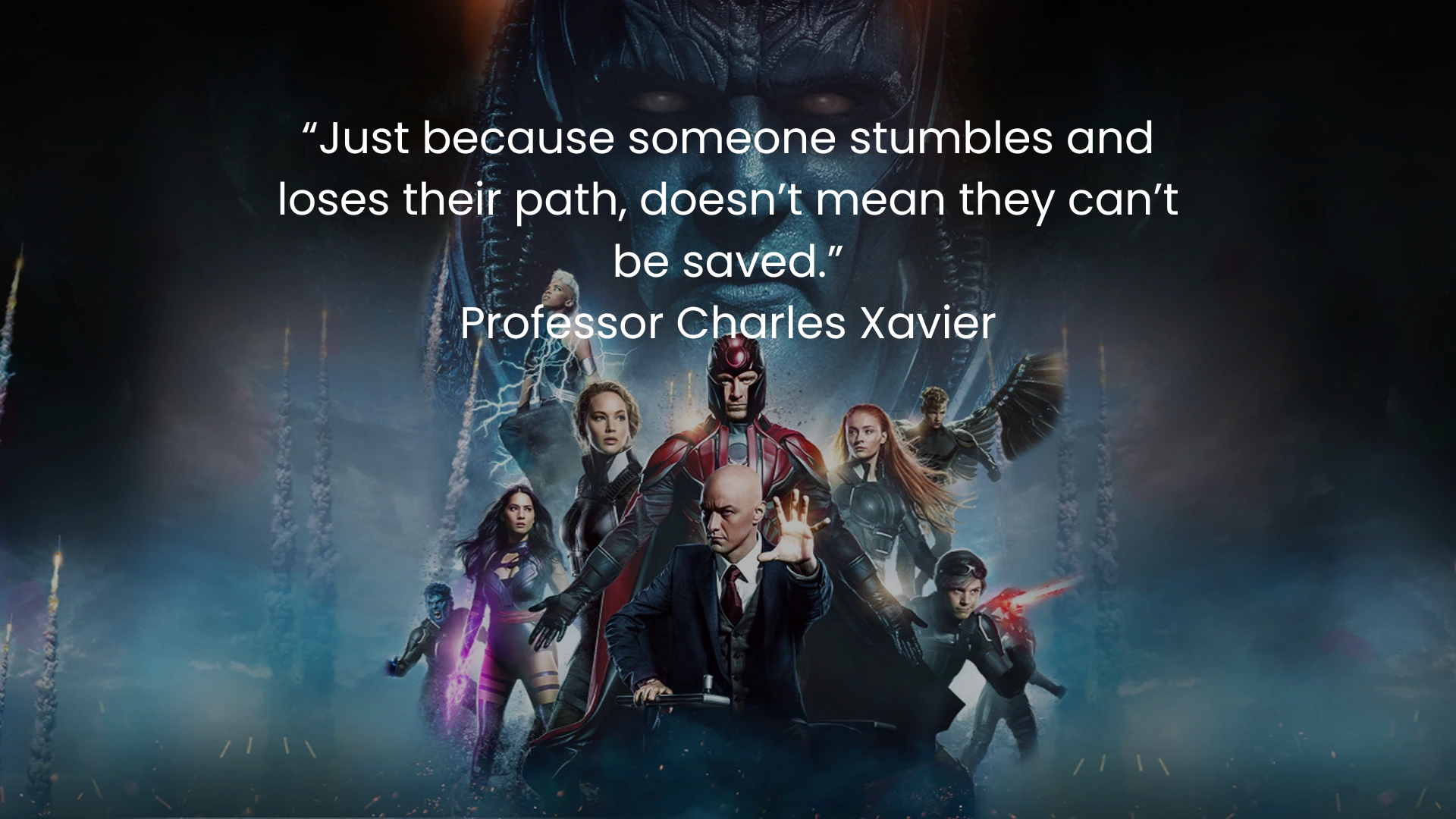
X-Men can be read as a metaphor for civil rights, and
Black Panther as a reflection on diaspora and identity. All
Superman variations often explored themes of immigration, nationalism and a global responsibility in the current socio-political climate. They allowed superhero narratives to address real-world issues while maintaining their fantastical appeal.
A show like
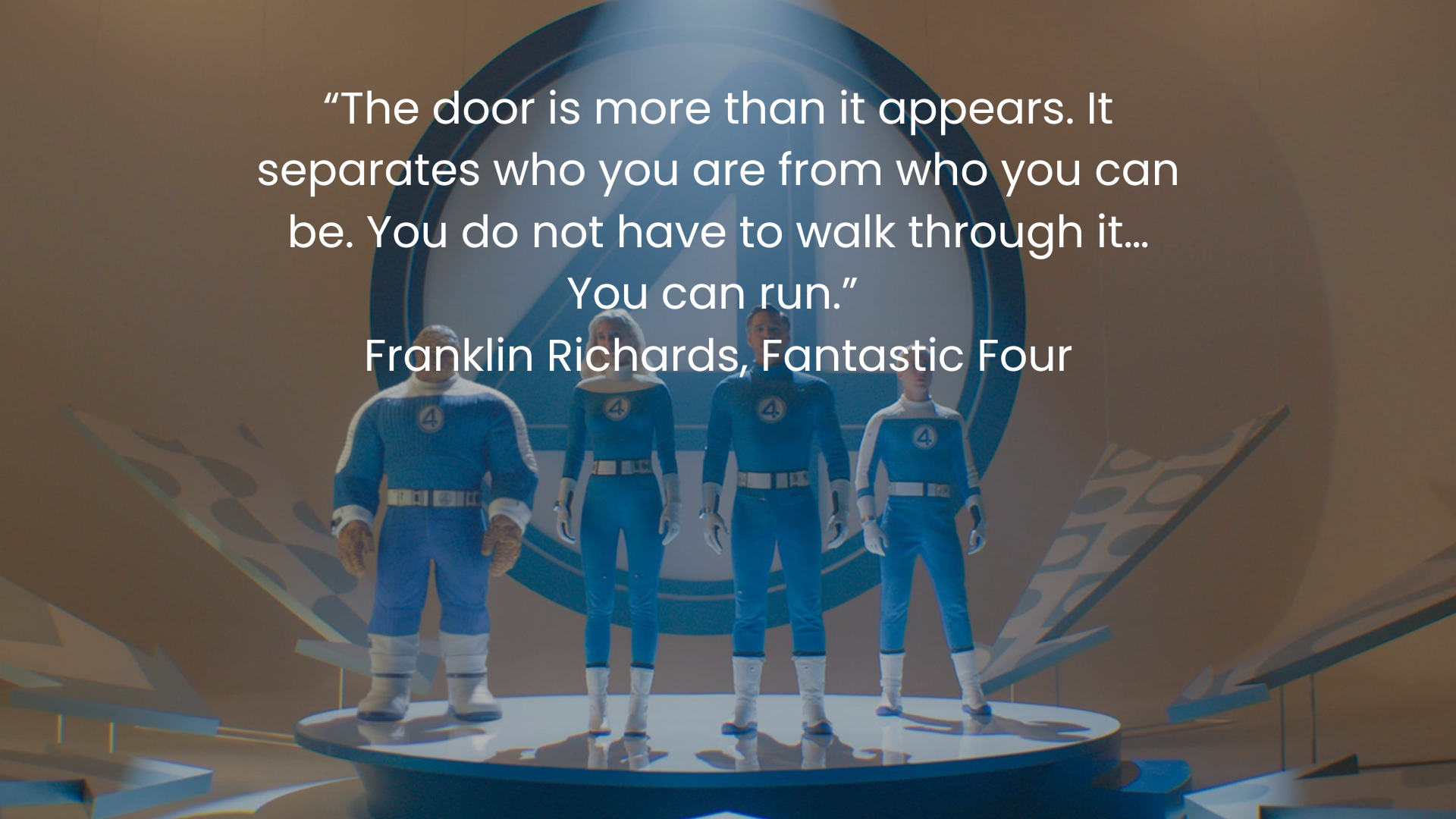
Ironheart was positioned to continue that tradition, potentially exploring themes of technological ethics, and a young woman of color navigating traditionally white male-dominated fields. Riri’s story wasn’t there to solve world philosophy or rewrite the MCU’s moral code. It was there to showcase a smart, young woman figuring things out while flying around in a mech suit. These are worthy topics deserving thoughtful consideration.
Superhero series and movies try to balance serious storytelling (
Watchmen,
Legion) and lighthearted adventures (
Legends of Tomorrow,
Guardians of the Galaxy). But recently, fans have been pushing every title into the former category expecting layered narratives, hidden meanings, and deeply introspective arcs in every film or series. When shows like
Peacemaker or
The Boys focus more on fun than philosophy, they’re seen as shallow when in fact, they’re doing exactly what they were meant to do. The problem isn’t that we think deeply about entertainment, it’s when analysis becomes obligatory rather than optional, and when it replaces rather than complements pure enjoyment.
The Joy Deficit: Why We Still Love Comfort Shows
There’s a reason comfort shows are making a huge comeback. People rewatch
Smallville,
Supernatural,
Buffy the Vampire Slayer,
Merlin etc not because these shows are groundbreaking but because they’re familiar, relaxing, and emotionally satisfying. You don’t need to analyze the symbolism behind every demon in
Supernatural to enjoy watching Sam and Dean hunt the supernatural.
There’s something troubling about how many viewers now approach superhero content not primarily as entertainment but as texts to be decoded. Watch any reaction video to Marvel trailers: rather than expressions of excitement, you’ll often hear immediate speculations about easter eggs, timeline implications, and thematic resonances. Comfort shows are built around accessibility. They give you characters to care about, stories that are easy to follow, and enough drama to stay interesting without overwhelming you. You can watch them while folding laundry, eating dinner, or winding down after work. They don’t demand full intellectual engagement and that’s what makes them perfect.
This analytical mindset can create a peculiar form of viewing anxiety, a fear of missing something important, a pressure to form sophisticated opinions, and a diminished capacity for simple pleasure. Before Ironheart premiered countless videos and articles already analyzed what it “means” for the MCU, representation in media, and technological themes in superhero narratives. Superhero and fantasy genres have always been ideal for this kind of escapism. Whether it’s
The Flash,
Agents of Shield, or
Charmed, the fantasy genre gives us permission to enjoy the ride without dissecting every line.
When was the last time you watched a superhero property without pausing to theorize about its connections to other stories or its cultural significance? When did you last recommend a superhero show by saying it was “just really fun” rather than “an important commentary on grief, socio-political effects, race or gender identity?
The Social Media Amplification Effect
Social media platforms have intensified this tendency toward over-intellectualization. Nuanced takes and complex analyses generate engagement, while simpler “I just enjoyed it” perspectives rarely go viral. The incentive structure rewards appearing sophisticated rather than expressing uncomplicated pleasure.
There’s a kind of elitism that comes with demanding every show be “high art.” When we mock shows for being “simple” or “for kids,” we forget that joy and comfort are powerful emotional responses.
Entertainment that makes people laugh, cry, or simply relax is just as important as media that makes them think. Recent strategies to provide low effort enjoyment might not be winning critical awards, but it’s winning the attention of millions of viewers who are tired, stressed, and just want something cool to watch. Not everything has to be a masterclass in storytelling. Sometimes, it’s okay for a movie to just be fun.
The constant demand for deeper meaning can rob entertainment of its joy. It makes every moment feel like a puzzle. And that’s exhausting, especially when all someone wanted was to watch a superhero fly across the screen after a long shift at work. Some shows are just cool. Some are just fun. Some are made to be watched with popcorn, not a notebook. And that’s okay.
Academic Approaches to Pop Culture
The rise of formal academic study of superhero content has further legitimized and accelerated this trend. University courses examine Marvel narratives through lenses of gender theory, post-colonialism, and mythological archetypes. Academic papers analyze superhero and fantasy media from the way they are approached and their effect in the socio-political and socio-economic space.
Again, there’s inherent value in these approaches. But when academic-style analysis trickles down to everyday viewing, something essential can be lost. Not every viewer needs or wants to engage with fantasy through the framework of academic thesis or post-humanist theory.
Finding the Balance: Intelligent Enjoyment
The solution isn’t to abandon thoughtful engagement with the media. Rather, it’s about reclaiming permission to sometimes just enjoy the spectacle, the adventure, and the escapism of superhero stories without the pressure of sophisticated analysis.
As new fantasy tv shows and movies join the release lineup, perhaps viewers can challenge themselves to experience them on multiple levels: yes, consider its themes and representations, but also allow yourself to simply enjoy the superhero action, the character development, and the excitement of a new hero’s journey.
The most fulfilling approach might be embracing both intellectual appreciation and uncomplicated enjoyment recognizing that these aren’t
mutually exclusive but
complementary ways of engaging with entertainment.
What made many of us fall in love with superheroes in the first place wasn’t their complex thematic resonance or their cultural significance, it was the thrill of seeing extraordinary beings do extraordinary things. It was the excitement of good versus evil, the wonder of impossible abilities, and the inspiration of heroic ideals.
Conclusion: Both/And, Not Either/Or
The over-intellectualization of superhero entertainment represents not so much a problem with the content itself but with how we’ve collectively decided to engage with it. We’ve sometimes lost sight of the fact that analysis should enhance enjoyment, not replace it.
As viewers, fantasy and superheroes give us an opportunity to practice a more balanced approach:
appreciating its intellectual elements while reconnecting with the simple joy of superhero storytelling. We can recognize its cultural importance while also just having fun with it. Let us remember, in the end,
the most sophisticated approach to entertainment might be knowing when to analyze deeply and when to simply sit back, smile, and enjoy the ride. Perhaps we viewers could learn something from that balanced perspective.